





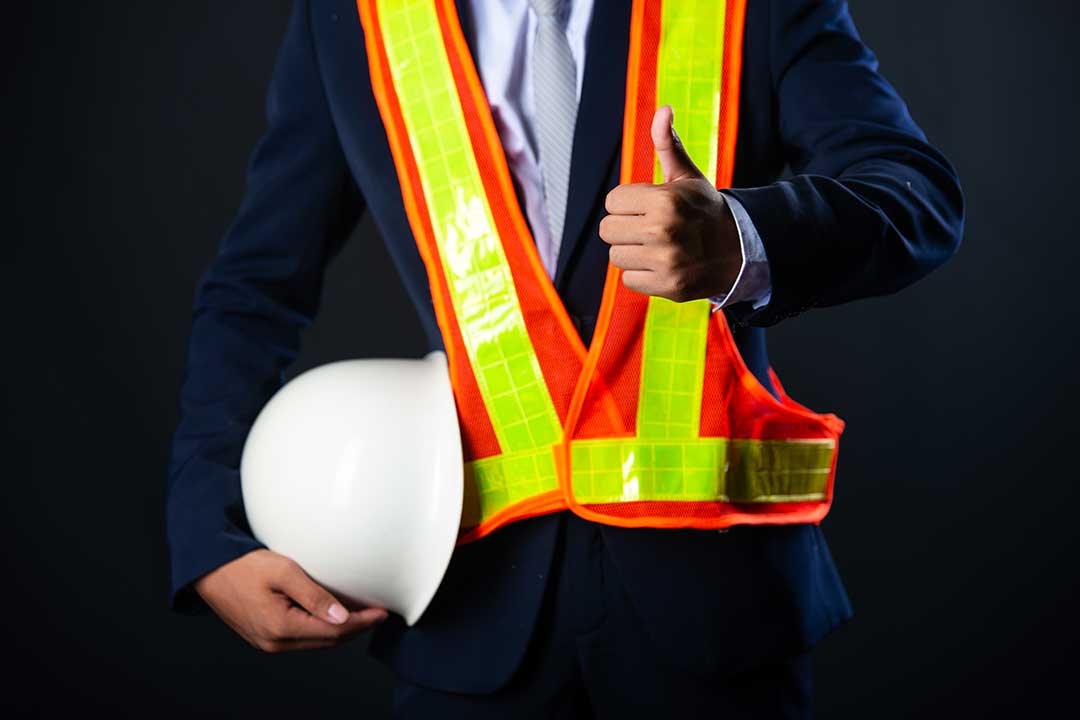
If you've ever driven past a road construction site at night and noticed workers in bright yellow or orange vests, you already understand the basic idea behind high-visibility clothing. But there's more to hi-vis workwear than a bright colour and a reflective strip.
For site managers and HSE professionals in Abu Dhabi, understanding when hi-vis is required, which class applies to your environment, and what makes a garment genuinely compliant is essential — not just for passing audits, but for actually keeping workers safe.
Who Needs High-Visibility Clothing
High-visibility clothing is designed for one primary purpose: making workers visible to vehicle operators, plant machinery drivers, and other personnel who might otherwise not see them in time to react.
The environments where this matters most in Abu Dhabi include road construction and maintenance, logistics and warehousing facilities with moving vehicles, port and airport operations, utilities and infrastructure work, and any industrial site where heavy equipment operates alongside foot traffic.
A worker who is difficult to see is a worker at risk. The distances and speeds involved in vehicle-pedestrian interactions on industrial sites mean that even a small improvement in visibility can be the difference between an incident and a near miss.
Understanding the EN ISO 20471 Standard
The international standard governing high-visibility clothing is EN ISO 20471. It sets requirements for the minimum area of fluorescent background material and retroreflective tape that a garment must incorporate, along with the performance levels those materials must achieve.
Garments are classified into three classes based on the total coverage they provide.
Class 1 provides the minimum level of visibility and is only suitable for environments with low traffic speeds and good ambient lighting. A basic hi-vis vest might fall into this category, but it is not appropriate for road-facing work.
Class 2 offers more coverage than Class 1 and is suitable for environments with moderate traffic exposure. Many construction site workers who are not directly adjacent to live traffic wear Class 2 garments.
Class 3 provides the highest level of visibility and is required wherever workers are exposed to higher-speed traffic or low-visibility conditions such as night work or poor weather. Road maintenance workers, traffic marshals, and anyone working within live traffic lanes need Class 3 protection as a minimum.
When sourcing hi-vis clothing in Abu Dhabi, always confirm which class the garment achieves and verify this with the product documentation rather than relying on the colour alone.
Why Colour Matters — and Why It Fades
Fluorescent yellow-green and fluorescent orange-red are the two colours recognised by EN ISO 20471. Both are highly effective in daylight conditions because they reflect more light than they receive, creating an almost glowing effect that draws the eye.
However, fluorescence fades with use and washing. A garment that was Class 3 compliant when new may no longer meet the standard after six months of regular use if it has been repeatedly washed or exposed to UV light. This is a real compliance issue that many organisations overlook.
Retroreflective tape — the silver strips that reflect headlights and torches — also degrades over time. Cracked, peeling, or detached tape no longer performs to specification.
Building a regular inspection and replacement programme into your workwear management is not optional. It is the only way to ensure the protection your workers think they have is the protection they actually have.
Practical Considerations for Abu Dhabi's Climate
Wearing hi-vis clothing in Abu Dhabi's summer temperatures is uncomfortable. Standard polyester hi-vis vests trap heat and moisture, which increases the risk of heat stress during outdoor shifts.
Better-designed garments address this with breathable mesh panels, moisture-wicking fabrics, and lighter construction that allows airflow without compromising the required fluorescent area. These options exist within the certified range and are worth the additional cost when workers are spending full shifts outdoors in high temperatures.
Comfort directly affects compliance. A garment that workers find unbearably hot will be removed at the first opportunity. Investing in wearable, climate-appropriate hi-vis clothing is a practical investment in consistent usage rates on site.
How Perfactive Can Help
Perfactive supplies EN ISO 20471 certified high-visibility clothing across Abu Dhabi, including vests, jackets, trousers, and coveralls across all three classes. We work with contractors and HSE teams to match the right garment specification to the specific exposure level of each role on site.
If you are reviewing your hi-vis programme or setting up workwear supply for a new project in Abu Dhabi, our team can help you navigate the options and ensure you have the documentation to support compliance audits.
High-visibility clothing is simple in concept but easy to get wrong in practice. The right class, maintained to standard, worn consistently — that is what actually protects workers. Everything else is just a bright colour.