





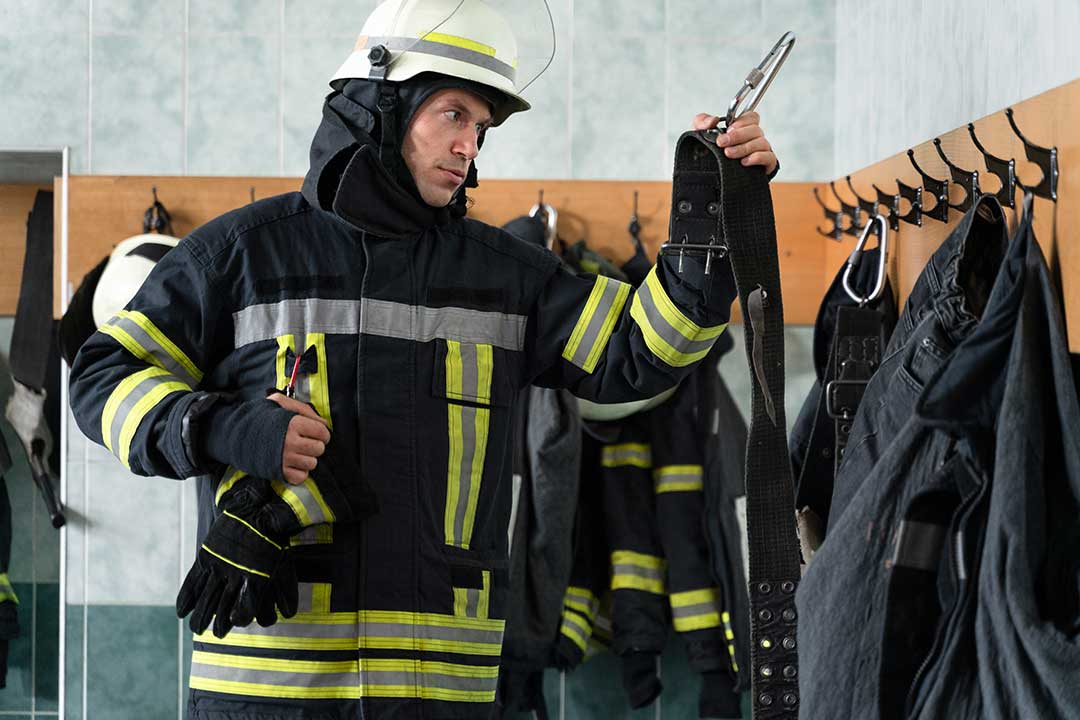
Abu Dhabi's oil and gas industry is one of the most significant in the world. Alongside it sits a growing petrochemical sector, extensive electrical infrastructure, and a construction industry that regularly works near fuel sources and high-voltage equipment. In all of these environments, one clothing category stands out as particularly critical: flame-resistant workwear.
FR clothing — as it is commonly called — is not fireproof. That is an important distinction. It is designed to resist ignition, self-extinguish when a flame source is removed, and not melt or drip onto the skin. In a flash fire or arc flash event, these properties can significantly reduce the severity of burn injuries. They do not prevent burns entirely, but they provide crucial additional seconds and reduce the extent of damage.
Where FR Clothing Is Required
Not every site in Abu Dhabi needs FR workwear, but the environments where it is genuinely necessary are widespread across the region's dominant industries.
In oil and gas, workers in processing areas, refineries, and on offshore platforms are routinely exposed to hydrocarbon vapours and the risk of flash fire. FR clothing is standard issue in these environments and is typically a mandatory site requirement before entry.
In electrical maintenance and utility work, arc flash is the primary concern. An electrical arc can release enormous amounts of thermal energy in a fraction of a second. Ordinary workwear can ignite instantly in these conditions. FR clothing rated for arc flash protection is a different category to general fire-resistant garments and needs to be selected accordingly.
In construction and infrastructure, situations where hot work takes place near fuel sources, gas lines, or electrical systems also warrant FR protection for workers in the immediate vicinity.
Understanding the Standards
Two main standards apply to FR clothing in the UAE market.
NFPA 2112 is an American standard specifically covering flame-resistant garments for protection against flash fire. It sets requirements for fabric performance, garment construction, and the overall thermal protective performance of the finished garment. This standard is widely referenced in oil and gas procurement specifications across the Gulf region.
EN ISO 11612 is the European equivalent covering protection against heat and flame. It assesses garments across multiple performance criteria including resistance to convective heat, radiant heat, and molten metal splash. Products are rated with letter and number codes indicating performance levels across each criterion.
For arc flash specifically, EN IEC 62482 and NFPA 70E are the relevant references, with garments rated by arc thermal protective value, commonly referred to as ATPV.
When procuring FR clothing, do not accept a generic claim of flame resistance. Ask which standard the garment is certified to, which performance levels it achieves, and request the test documentation.
How FR Clothing Works
The protective properties of FR clothing come either from the inherent chemistry of the fibre used to make the fabric or from a treatment applied to a base fabric.
Inherently FR fibres — such as Nomex, modacrylic, and certain aramid blends have flame-resistant properties built into the molecular structure of the fibre. These properties cannot wash out or degrade with normal use and laundering.
Treated FR fabrics start with a standard fibre base, often cotton and are chemically treated to achieve flame resistance. These garments can be effective and are generally more affordable, but the FR treatment can diminish with repeated washing if care instructions are not followed correctly.
For high-risk environments such as oil and gas processing, inherently FR fabrics are generally the more reliable long-term choice. For lower-frequency exposure scenarios, treated options may be appropriate if properly maintained.
Practical Considerations for Wearing FR in Abu Dhabi
FR clothing was historically heavier and less breathable than standard workwear, which made it uncomfortable in hot climates. Modern FR fabrics have improved considerably, with lightweight options that maintain certified performance while significantly improving comfort in high-temperature conditions.
This matters in Abu Dhabi where outdoor and semi-outdoor working environments regularly exceed 40 degrees Celsius in summer. Workers in heavy, uncomfortable garments are more likely to find ways around the requirement. Investing in lightweight, breathable FR options is a practical decision that supports actual compliance on site.
Layering is another consideration. FR protection depends on the outer layer being the FR garment. Wearing non-FR clothing over a certified FR base layer defeats the purpose entirely. Training workers on correct layering is part of an effective FR programme.
Working with Perfactive
Perfactive supplies certified FR clothing across Abu Dhabi, including coveralls, shirts, jackets, and trousers in both inherent and treated fabric options. We work with procurement and HSE teams in the oil and gas, electrical, and construction sectors to ensure the right products reach the right people with the right documentation behind them.
FR clothing is not a commodity purchase. The difference between a certified, well-maintained FR garment and a non-compliant alternative is measured in burn severity. In an industry where flash fire risk is a daily reality, that difference matters enormously.