





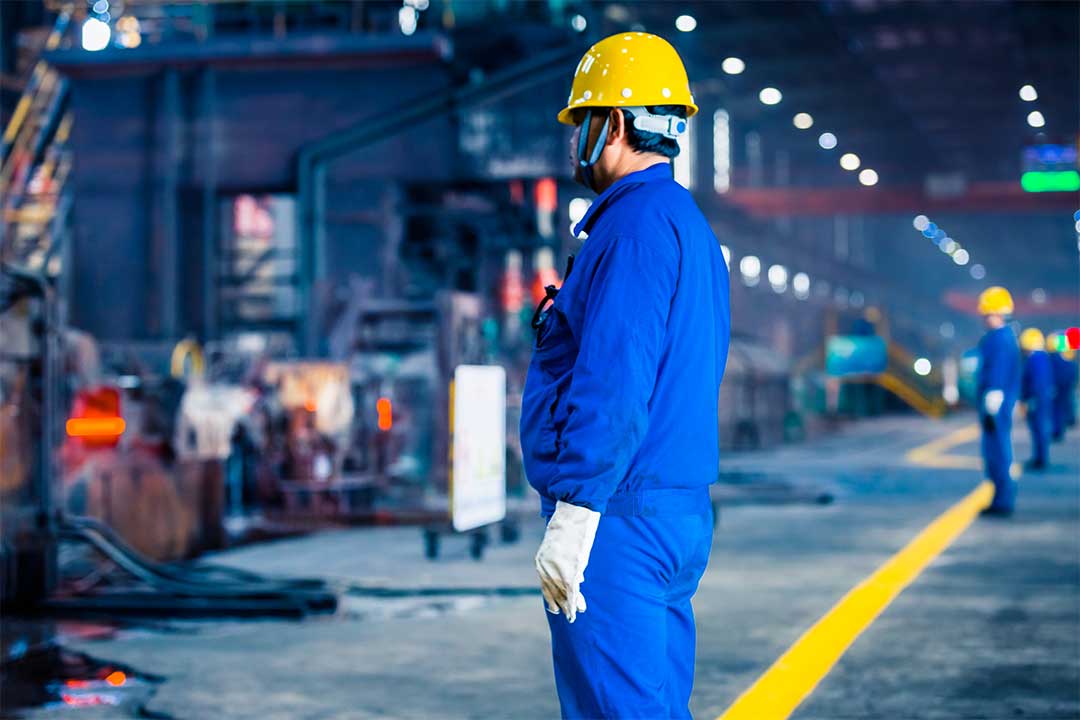
Managing PPE across a large industrial workforce is more complex than it might appear from the outside. Different roles carry different risks. Different sites have different compliance requirements. And in Abu Dhabi's climate, comfort and wearability are factors that directly affect whether workers actually use the protection they have been given.
Getting industrial workwear right requires a more systematic approach than simply ordering the cheapest available coverall in bulk. This guide outlines what a well-structured workwear programme looks like, and what to consider when sourcing industrial clothing in Abu Dhabi.
Why Industrial Workwear Is Not Just Clothing
Standard clothing is designed for everyday use. Industrial workwear is engineered to perform against specific hazards while surviving the physical demands of a working day on a construction site, oil facility, or manufacturing floor.
The differences are meaningful. Industrial workwear uses reinforced stitching to resist tearing under physical stress. Fabrics are selected for durability, resistance to specific hazards, and performance under conditions that would destroy everyday clothing quickly. Cut, fit, and construction are all influenced by the need to maintain mobility while providing protection.
When a worker reaches for a tool, climbs a ladder, or operates equipment, their workwear needs to move with them without restricting function or creating a snagging hazard. This is why garment design matters as much as fabric specification.
Matching Workwear to the Role
The starting point for any workwear programme is understanding what each role actually involves and what hazards are present. A blanket one-size-fits-all approach works against both safety and efficiency.
For general construction roles, durable cotton or polycotton coveralls and work trousers with reinforced knees and multiple pockets are typically appropriate. The focus is on abrasion resistance, durability, and practicality for physically demanding work.
For roles in oil and gas processing areas, FR-rated workwear is standard. The specific standard and performance level required will depend on the nature of the hydrocarbon exposure and the site's own safety management system requirements.
For workers in high-visibility environments such as road construction or logistics facilities with vehicle movement, hi-vis workwear incorporating the appropriate EN ISO 20471 class is required rather than optional.
For chemical handling roles, the level of protection required depends on the specific substances involved, their concentration, and the nature of the exposure. This ranges from chemical-splash resistant coveralls for lower-risk tasks to more substantial protective suits for higher-risk chemical environments.
The Head-to-Toe Approach
One of the most practical ways to manage workwear procurement for a large industrial workforce is to think in terms of complete outfit specifications for each role type rather than individual garments.
What does a construction labourer need from head to toe? What does a refinery maintenance technician require? What does a warehousing operative working in a temperature-controlled facility need compared to someone working outdoors in summer?
Answering these questions role by role allows you to build a clear specification for each workwear category. This simplifies purchasing, makes stock management more predictable, and ensures there are no gaps in coverage that only become apparent during an audit or an incident.
It also makes the process of onboarding new workers faster and more consistent. When the specification for each role is clearly defined, kitting out a new team member becomes straightforward rather than a series of individual decisions.
Managing Workwear Over Time
Workwear is not a one-time purchase. Garments wear out, get damaged, and in some cases lose their protective properties over time. A workwear programme that does not account for ongoing replacement is incomplete.
Building a sensible replacement schedule based on usage patterns and regular inspection keeps protection at the required standard without creating unnecessary cost. Worn-out FR clothing that is no longer certified to its original performance level is not FR clothing in any meaningful sense, regardless of what it says on the label.
Training workers to inspect their own clothing and report damaged or degraded garments is a simple measure that supports the overall programme without adding significant management overhead.
Working with Perfactive
Perfactive supports industrial workwear procurement for contractors, facility operators, and project teams across Abu Dhabi. From initial specification support through to bulk supply, ongoing replenishment, and compliance documentation, we work with clients to build workwear programmes that function reliably in the field rather than just looking good on paper.
Our range covers general industrial workwear, FR clothing, hi-vis garments, chemical protective coveralls, and disposable options for short-duration contaminated-environment tasks.
Industrial workwear is the foundation of any site PPE programme. When it is selected carefully, managed properly, and replaced at the right intervals, it provides consistent protection and supports a culture of safety across the workforce. In Abu Dhabi's demanding industrial environment, that foundation is worth getting right.