





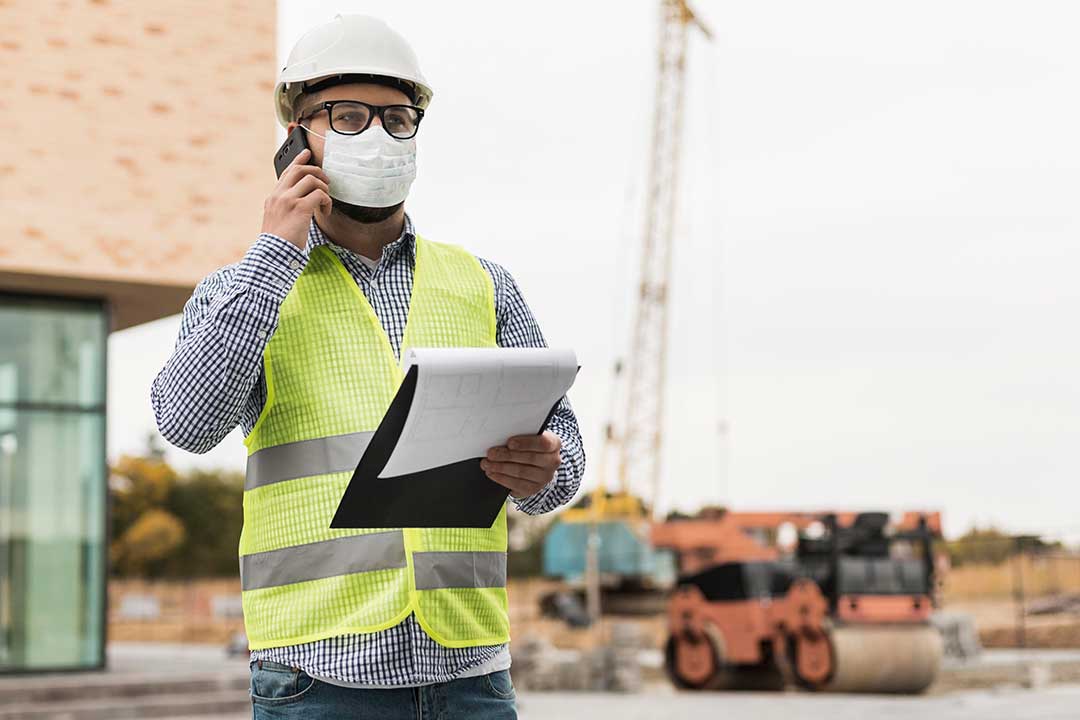
Budgeting PPE for a new project or tender is harder than it should be, because most suppliers only quote once you send a workforce number and role breakdown. Project managers often need a working estimate before that stage just to build an accurate proposal. Perfactive International Safety Equipment Trading supplies full-body PPE to construction and industrial sites across Abu Dhabi and the UAE, and this breakdown gives you realistic per-category and per-worker cost ranges so you can budget with confidence before requesting a formal quote.
Why PPE Budgeting Is Hard to Estimate in Advance
PPE cost depends on role, hazard level, certification requirements, and order volume, so a single “cost per worker” figure rarely holds across an entire site. A general laborer and a welder on the same project will need very different kits at very different price points. The breakdown below separates cost by protection category so you can build an estimate based on your actual workforce mix, rather than relying on a flat average that doesn’t reflect your site.
Cost Breakdown by Category
Head Protection
A standard industrial safety helmet, certified safety glasses, and basic hearing protection together form the baseline head protection kit for most construction roles. Costs scale up for roles requiring anti-fog or tinted eyewear, higher NRR-rated hearing protection, or premium ventilated helmets.
Hand Protection
General handling gloves sit at the lower end of the cost range. Cut-resistant and chemical-resistant gloves cost more per pair due to certification and material requirements, and workforces needing multiple glove types across different tasks should budget for two or three SKUs rather than one universal glove.
Body Protection
Standard hi-vis vests or coveralls are the lowest-cost body protection option. Flame-resistant coveralls cost significantly more due to the fabric and certification requirements, and sites needing both hi-vis and FR protection in one garment will pay a premium for combined-rated clothing.
Footwear
Basic S1P-rated safety shoes are the entry point for most sites. S3-rated boots with additional water resistance and higher puncture protection cost more, and specialized footwear such as electrical hazard rated or metatarsal guard boots sits at the top of the range.
Fall Protection (where applicable)
Only relevant for at-height roles, but a full kit including harness, lanyard, and anchorage connector represents one of the higher single-category costs in a PPE budget. This category should only be budgeted for roles that actually require it, rather than applied site-wide.
Per-Worker Estimate Ranges
As a rough planning guide:
- General labor/entry-level role (helmet, glasses, gloves, vest, basic footwear): Lower end of the per-worker range
- Mid-hazard role (adds hearing protection, cut-resistant gloves, S3 footwear): Mid-range
- High-hazard role (adds FR clothing, respiratory protection, and/or fall protection): Upper end of the range
These ranges will shift based on order volume, brand tier selected, and whether garments require custom branding. For an accurate figure, share your role breakdown and workforce size with your supplier for a line-item quote.
Bulk Order Discounts vs Per-Unit Retail Pricing
Ordering PPE per unit or in small batches almost always costs more per item than a consolidated bulk order. Suppliers price bulk orders lower per unit because it reduces handling, packaging, and reorder frequency on their end, and that saving is typically passed on to the buyer. Consolidating orders across multiple site categories, rather than ordering each category separately as needs arise, is one of the simplest ways to reduce total PPE spend without reducing protection level.
Hidden Costs to Plan For
- Replacement cycles: Footwear, gloves, and consumable items like disposable coveralls wear out faster than helmets or harnesses and need to be rebudgeted more frequently
- Sizing runs: A full range of sizes needs to be stocked, not just the average size, to avoid mid-project reorders
- Branding and customization: Logo printing or embroidery on workwear adds a per-unit cost that’s easy to forget in an initial budget
- Seasonal items: All-weather or insulated clothing is often left out of the original budget and ordered reactively at a higher cost
How to Get an Accurate Quote for Your Workforce Size
The fastest way to move from an estimate to an accurate number is to share your role breakdown, headcount per role, and any hazard-specific requirements with your supplier directly. Perfactive works with procurement and project teams across Abu Dhabi and the UAE to build itemized PPE budgets based on actual workforce composition, not flat per-worker averages, and we offer volume pricing on bulk orders. Contact our team with your project details for a line-item quote..
Frequently Asked Questions
It depends heavily on role and hazard level. A general labor role with a basic kit sits at the lower end of the cost range, while a high-hazard role needing flame-resistant clothing, respiratory protection, or fall protection sits considerably higher. Sharing your role breakdown with a supplier is the most accurate way to get a real figure.
Yes, bulk orders typically come with a lower per-unit price than small or per-item purchases, since suppliers can reduce handling and reorder costs. Consolidating orders across multiple PPE categories into one bulk purchase usually lowers total spend further.
A standard kit typically includes a safety helmet, eye protection, hearing protection where needed, gloves matched to the task, hi-vis or FR clothing depending on the hazard, and certified safety footwear. Roles working at height also require a harness and connecting system.
Wear items like gloves, disposable coveralls, and footwear need more frequent replacement than helmets or harnesses, which have longer service lives if properly maintained and inspected. Replacement frequency should be built into the annual PPE budget, not treated as a one-time cost.