





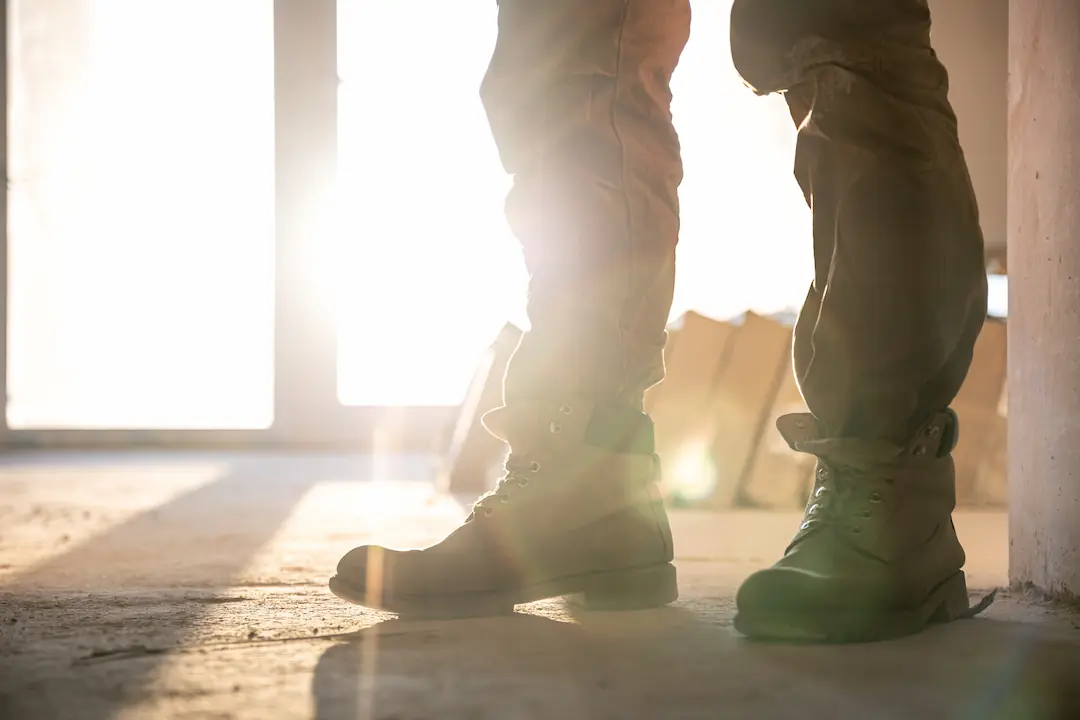
Why Safety Footwear Is Critical for Worker Protection
If there’s one piece of personal protective equipment that often gets underestimated, it’s safety footwear. Hard hats and gloves usually get all the attention, but think about it—workers spend entire shifts on their feet, moving through environments that can change from safe to hazardous in seconds. In Abu Dhabi’s industrial sectors, from construction sites to oil facilities, the ground itself can be a source of danger.
Safety footwear acts as a constant layer of protection, quietly doing its job with every step. Without it, even a routine task like walking across a worksite can become risky. A dropped tool, a sharp object, or a slippery surface is all it takes to cause an injury that could have been easily prevented.
What makes this even more important is the long-term impact. Foot injuries don’t just cause immediate pain—they can lead to extended downtime, reduced mobility, and ongoing health issues. In a fast-paced work environment, that’s something no business can afford.
The Real Impact of Foot Injuries at Work
Foot injuries are more common than many people realize, and they often happen in situations that seem harmless at first. A worker steps on a sharp object, slips on an oily surface, or gets their foot caught under a heavy load—these incidents happen quickly, and the consequences can be serious.
The recovery time for foot injuries can be surprisingly long. Unlike minor cuts or bruises, injuries involving bones, tendons, or nerves can take weeks or even months to heal. During that time, workers may be unable to perform their duties, which affects both productivity and morale.
There’s also a psychological aspect. Once a worker experiences an injury, their confidence can take a hit. They may become more cautious—or in some cases, anxious—which can impact their performance. Proper safety footwear helps prevent these situations, allowing workers to focus on their tasks without constantly worrying about what might happen.
Legal and Safety Requirements in Abu Dhabi
In Abu Dhabi, workplace safety isn’t just a recommendation—it’s a regulated requirement. Employers are expected to assess risks and provide appropriate PPE, including safety footwear, wherever necessary. This isn’t just about avoiding penalties; it’s about creating a safe and compliant work environment.
Regulatory bodies emphasize hazard-based PPE selection, which means footwear must match the specific risks present on site. For example, a construction worker dealing with heavy materials needs different protection compared to someone working in an electrical environment.
Compliance also involves proper training and enforcement. Providing safety shoes is only part of the equation—ensuring they are worn correctly and consistently is equally important.
Common Workplace Hazards That Affect Feet
Workplace hazards are often unpredictable, and many of them directly impact the feet. Understanding these risks is the first step toward choosing the right safety footwear.
Impact and Compression Risks
One of the most common hazards is the risk of heavy objects falling or rolling onto the feet. In construction and industrial environments, tools, equipment, and materials are constantly being moved. Even a small object can cause serious injury if dropped from a height.
Safety footwear with reinforced toe caps is designed to absorb and distribute the force of impact, reducing the risk of fractures and crush injuries.
Slips, Trips, and Falls
Slippery surfaces are another major concern, especially in environments where liquids, oils, or dust are present. A simple slip can lead to falls, which are among the leading causes of workplace injuries.
Slip-resistant soles provide better grip and stability, helping workers maintain balance even on challenging surfaces.
Electrical and Thermal Hazards
In certain industries, workers are exposed to electrical currents or extreme temperatures. Electrical hazard footwear provides insulation, reducing the risk of shocks, while heat-resistant materials protect against high temperatures.
These specialized features are essential in environments where standard footwear would offer little to no protection.
Types of Safety Footwear Used in Abu Dhabi
Steel Toe Safety Shoes
Steel toe shoes are the most traditional form of safety footwear. They offer strong protection against impact and compression, making them ideal for heavy-duty environments.
Composite Toe Safety Shoes
Composite toe shoes provide similar protection without using metal. They are lighter and more comfortable, especially for long shifts, and are suitable for electrical work due to their non-conductive properties.
Slip-Resistant Footwear
These shoes are designed with specialized soles that improve traction, reducing the risk of slips and falls.
Electrical Hazard Shoes
Electrical hazard footwear is specifically designed to protect against electrical risks, making it essential for electricians and maintenance workers.
How to Choose the Right Safety Footwear
Matching Footwear to Job Roles
Different roles require different types of protection. Understanding the specific risks associated with each job helps in selecting the most appropriate footwear.
Indoor vs Outdoor Considerations
Outdoor environments often require more durable and weather-resistant footwear, while indoor settings may prioritize comfort and flexibility.
Duration and Usage Factors
Workers who spend long hours on their feet need footwear that provides cushioning and support to prevent fatigue.
The Importance of Fit and Comfort
Key Elements of Proper Fit
Proper fit is crucial for both safety and comfort. Shoes that are too tight can cause discomfort, while loose shoes can lead to instability.
Features like cushioned insoles, breathable materials, and secure fastening systems all contribute to better comfort and usability.
Safety Standards and Certification
Safety footwear should meet recognized standards such as EN ISO certifications, ensuring they have been tested for impact resistance, slip resistance, and other protective features.
Maintenance, Inspection, and Replacement
Regular inspection helps identify wear and tear before it becomes a safety issue. Damaged footwear should be replaced promptly to maintain protection.
Why Investing in Quality Footwear Matters
High-quality safety footwear may cost more upfront, but it offers better durability, comfort, and protection. Over time, this results in fewer replacements and better overall safety outcomes.
Conclusion
Safety footwear is a fundamental part of workplace safety in Abu Dhabi. By choosing the right type, ensuring proper fit, and maintaining it regularly, businesses can protect their workforce and improve productivity.
FAQs
1. How often should safety footwear be replaced?
It depends on usage and wear, but regular inspections help determine the right time.
2. Are composite toe shoes better than steel toe?
Both have advantages; the choice depends on the work environment.
3. Can safety shoes prevent slips?
Yes, slip-resistant soles significantly reduce the risk of slips and falls.
4. Is certification important?
Absolutely, certified footwear ensures tested and reliable protection.
5. Do safety shoes need maintenance?
Yes, proper care and regular checks are essential for long-term performance.