





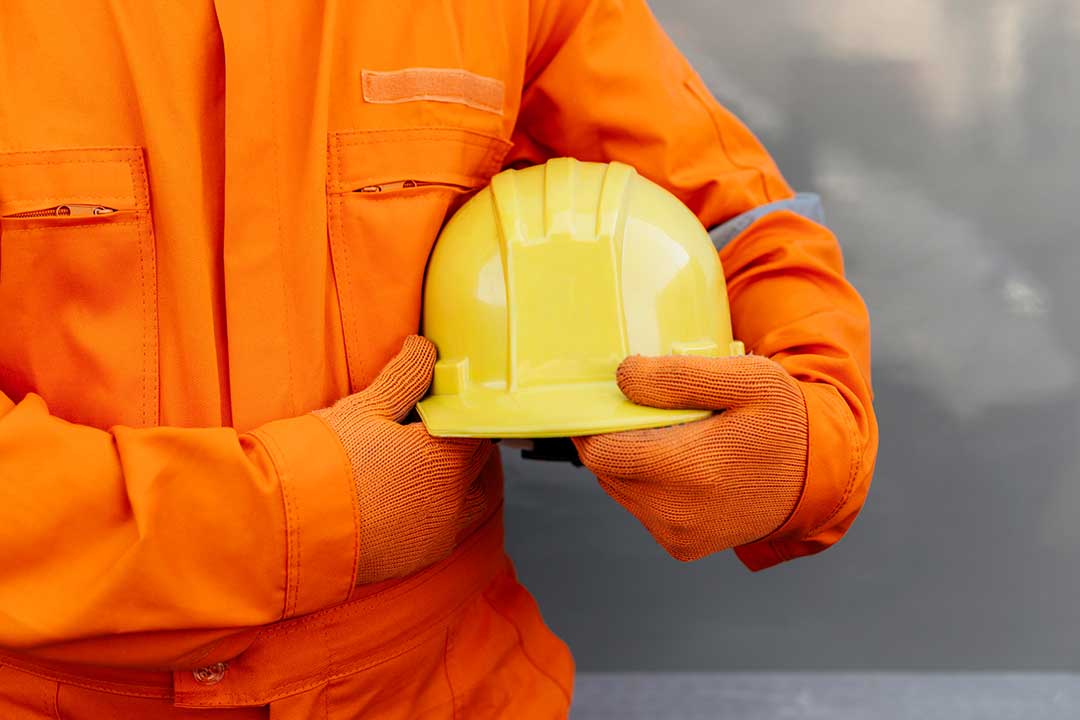
Walk onto any active construction site, oil refinery, or industrial facility in Abu Dhabi, and one thing is non-negotiable: everyone is wearing a helmet. It sounds simple, but the reality is that choosing the right safety helmet — and sourcing it from the right supplier — makes a significant difference to worker safety and regulatory compliance.
This guide breaks down what you need to know about safety helmets in Abu Dhabi, from understanding certifications to picking the right type for your specific work environment.
Why Safety Helmets Are Not All the Same
Most people assume a hard hat is just a hard hat. In practice, there are meaningful differences between helmet types, and using the wrong one for the wrong environment can leave workers underprotected.
Safety helmets are generally classified into two main types:
- Type I helmets protect the top of the head only
- Type II helmets provide both top and lateral (side-impact) protection
For industries like construction, oil and gas, and utilities — which are all major sectors in Abu Dhabi — Type II helmets with lateral protection are often the safer and more appropriate choice.
Beyond the type, helmets are also rated by performance class. Class E (Electrical) helmets, for instance, are tested to withstand high-voltage exposure, which is critical for electricians and workers near power lines.
Certifications That Actually Matter in the UAE
When sourcing safety helmets in Abu Dhabi, you'll commonly encounter two certification standards:
ANSI/ISEA Z89.1 — an American standard widely used across international projects in the Gulf region. It defines performance requirements for industrial head protection across different types and classes.
EN 397 — the European standard for industrial safety helmets. This is the most common certification you'll see on helmets supplied across UAE worksites and is recognised by most HSE authorities in the region.
If you're procuring helmets for a government-linked project or a large contractor in Abu Dhabi, expect your safety officer or project HSE manager to ask for certified products. Helmets without verifiable certification are a compliance risk and a liability issue.
A reliable supplier will always be able to show you the relevant test certificates and declarations of conformity. If they can't, that's a red flag.
The Abu Dhabi Factor: Heat, Dust, and Long Shifts
Working in Abu Dhabi means dealing with summer temperatures that regularly push past 45°C. This is something that generic PPE guides from Europe or North America rarely account for, but it's a real day-to-day concern for workers and site managers here.
A few things to look out for when selecting helmets for UAE conditions:
Ventilation — helmets with built-in venting channels allow airflow, which reduces heat build-up significantly over a long shift. For outdoor workers especially, this can make a measurable difference in comfort and heat-related fatigue.
Suspension system — the internal cradle that holds the helmet away from the skull is what creates the protective gap and provides some air circulation. A well-designed suspension system improves both safety and wearability.
Accessories compatibility — many Abu Dhabi worksites require workers to combine head protection with other PPE, such as face shields, hearing protection, or respiratory equipment. It's worth checking whether the helmet you choose is compatible with these add-ons before bulk purchasing.
Helmet Classes by Industry — A Quick Reference
Different industries in Abu Dhabi have different priorities. Here's a quick breakdown:
Construction — Type II, Class E helmets with side impact protection. Falling objects and working at height are the primary risks.
Oil and Gas — Chemical-resistant shells are preferred. Workers in refineries and processing plants also need helmets that can handle hydrocarbon exposure.
Electrical and Utilities — Class E rating is essential. Dielectric properties must be verified and regularly re-tested.
Manufacturing and Warehousing — Bump caps may be appropriate for low-risk zones, but full helmets are required wherever machinery or overhead hazards are present.
What to Look for in a Safety Helmet Supplier in Abu Dhabi
Sourcing PPE locally comes with practical advantages — faster delivery, easier returns, and a supplier who understands local compliance requirements. But not every supplier offers the same level of service or product quality.
When evaluating a supplier, consider these points:
- Do they stock helmets from established, certified brands?
- Can they provide documentation — CE marks, EN certifications, test reports?
- Do they offer bulk pricing for contractors and project-based procurement?
- Are they familiar with OSHAD (Abu Dhabi Occupational Safety and Health Center) requirements?
At Perfactive, we supply a range of certified safety helmets across Abu Dhabi — from standard industrial hard hats to specialist helmets for high-risk environments. Our team can help you match the right product to your specific site conditions and compliance requirements.
The Bottom Line
Safety helmets are one of the most visible pieces of PPE on any worksite, but they're also one of the most misunderstood. The right helmet for a construction worker in Abu Dhabi is not necessarily the same as the right helmet for an electrician or a refinery worker.
Understanding the standards, knowing what your environment demands, and working with a supplier who can actually back up their products with proper certification — that's what responsible PPE procurement looks like.
If you're sourcing safety helmets in Abu Dhabi and want to make sure you're covered on both quality and compliance, get in touch with the Perfactive team. We'll make it straightforward.